When we think 'work,' we think grind, hustle, output… right? Well, that's changing, and fast.
The idea that humans need to be in constant output mode is quickly becoming an outdated one. Perhaps it’s a lingering by-product of an industrial era understanding of productivity where humans are synonymous with factory cogs, or robots, if you will. But now that we have actual robots at our disposal, and more quick-win tasks being supplemented by them, the value of human productivity has notably shifted.
What used to be measured by acceleration, as in faster = better, is now a matter of attention, or focus = better. And what humans do better than any robot (creativity, strategy, and innovation) has finally taken its long-awaited place in the spotlight.
No matter how you feel about AI, one thing we can all agree on is that it's given us more time. But where it gets interesting is that filling that extra time with more output-driven work is proving to be counterproductive…
What we're seeing now is that always-on culture is making professionals who are all work, no life outside of it, less productive. Research by Averi found that those with genuine work-life integration, who actively protect a non-work identity, show 47% better strategic decision-making and 23% higher creativity than those who don’t.
The grind isn't just burning people out, it's producing *gasp* diminishing returns.
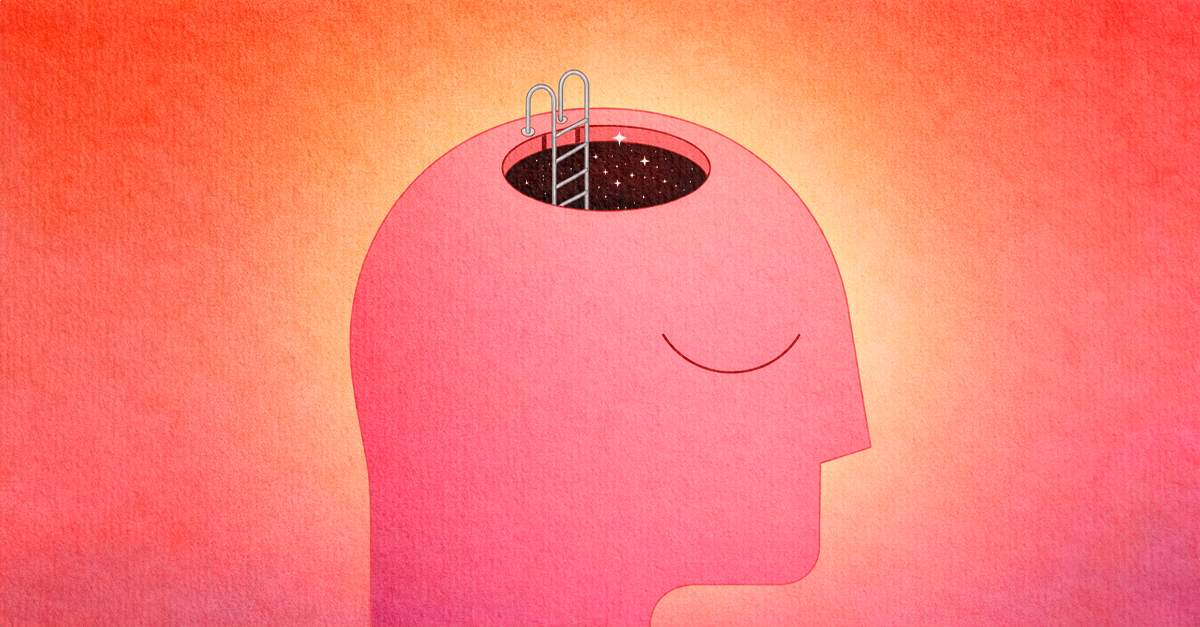
Medium's Rajiv Gopinath calls this The Output Illusion, "a condition where the metrics of progress rise while the experience of progress falls." And renowned director and author Julia Cameron uses an analogy that makes the reason for this clear. In order to create, innovate, or solve problems, we draw from what she calls our inner well:
"This inner well is ideally like a well-stocked trout pond…if we don't give some attention to upkeep, our well is apt to become depleted, stagnant, or blocked."
Simply put, if nothing goes in the well, then eventually, nothing comes out. And what fills it isn't more work, it's everything outside of it. In other words, real-life human resources.
So, what do these actually entail?
Resource #1 – Human-to-human time
While it may be tempting to schedule time with friends and family around work commitments, the best way to tap into this resource is to do the opposite. The 2025 Humankind Quality of Life Study found that 79% of Gen Z workers say life stress directly impacts their focus, motivation, and decision-making at work. And it's not hard to see why: 47% of adults have two or fewer people to turn to for support, with nearly 1 in 10 having none at all.
We are relational beings, which means we think more creatively, recover quicker, and make better decisions when we're regularly exposed to other people and perspectives. Human-to-human time isn't just a nice-to-have, it's how work-life balance actually starts to affect creativity and performance.
Resource #2 – Right-brain activities
Contrary to what you might be thinking, this doesn't necessarily mean doing artistic things. Any regular, repetitive action will do: chopping vegetables, cooking, going for a drive with music on, walking, reading, taking a shower. The rhythmic, habitual nature of these activities gives our brain space to relax, slow down, and take in new information without the pressure of producing anything from it. It's in these unstructured pockets that inspiration tends to surface, problems get solved, and new ideas find their shape.
Work demands our logical, left-brain thinking, no doubt… but right-brain activities don't compete with that. They replenish it, so that when you sit back down at your desk, there's actually something to work from.
Resource #3 – Novel experiences (fun)
Not things we *have* to do, but things we *want* to do.
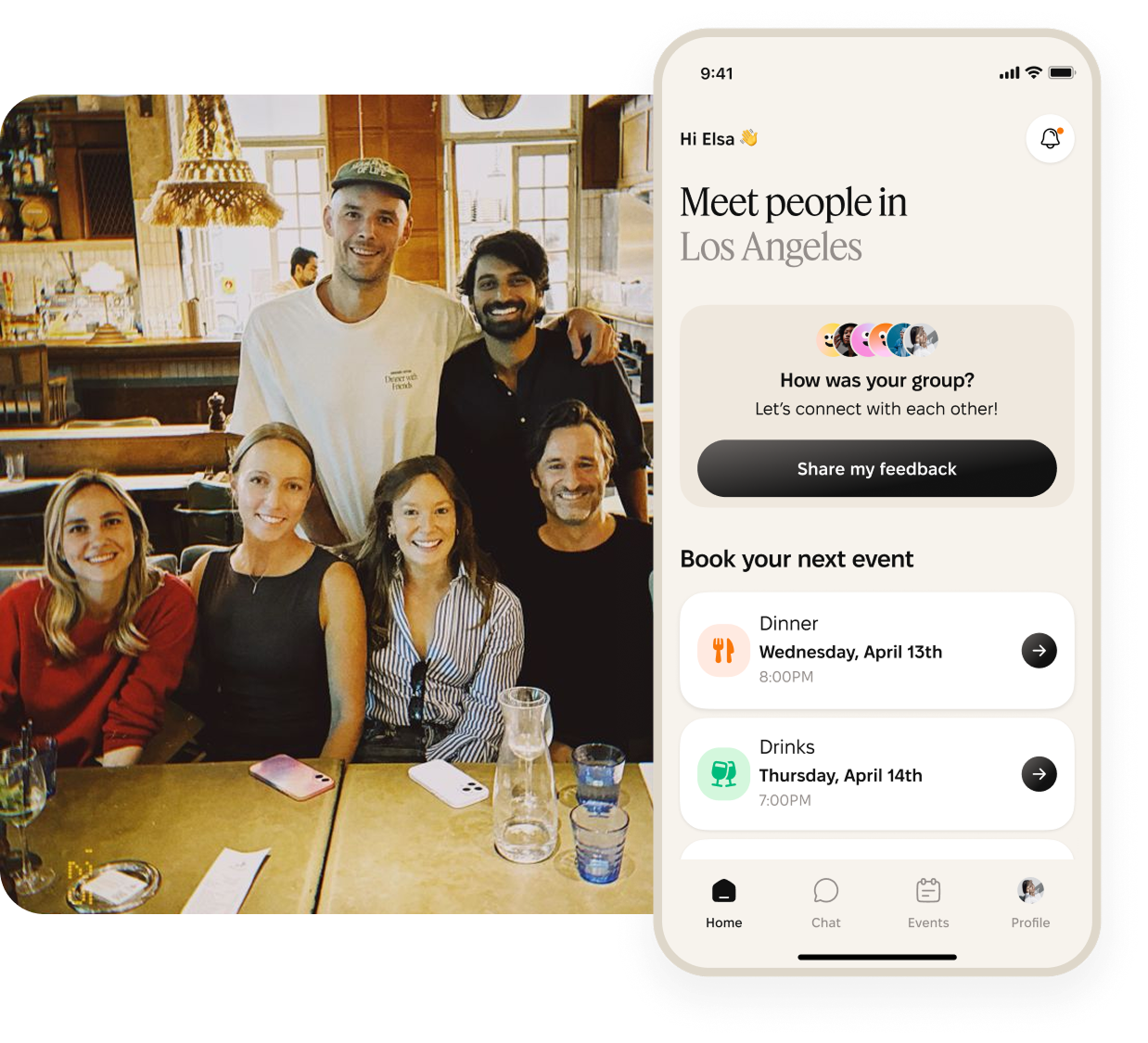
Getting off autopilot, following your curiosity, saying yes to something unfamiliar… novel experiences put us in places we might never have chosen otherwise, and expose us to things we didn't know we needed. Something as simple going for dinner with strangers (😏) opens you up to a conversation you weren't expecting, a perspective you hadn't considered, an idea you quite simply wouldn't have had while sitting at your desk.
Beyond the obvious benefits, these experiences do something powerful for professionals, they encourage a mindset of play. And when you can play with a new idea, you can get something truly original into existence.
Resource #4 – Time to be bored
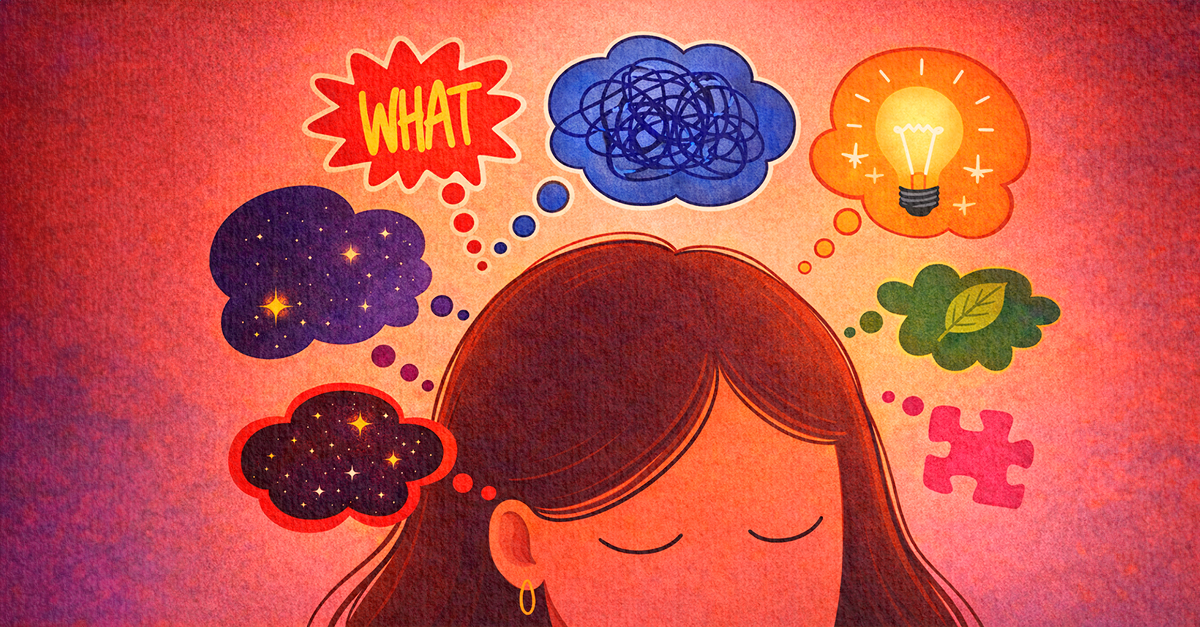
In a culture that has monetized every minute, boredom has become something to fix rather than something to feel. But science suggests we've been getting this wrong. High-level work requires what researchers call a ‘refractory period’ – time where the brain is completely detached from professional stimuli, free to meander between thoughts without agenda or output. This is not wasted time, it’s processing time. The kind where complex patterns get untangled, and where the solution you couldn't force finally arrives on its own.
Teams with adequate rest and genuine thinking time produce 67% more breakthrough innovations than those that are constantly busy. Which goes to show that sometimes the most productive thing you can do, is to do nothing at all.
Life first, work better
While work and life have traditionally been something we've been told to balance, evidence might actually be asking us to reorder that entirely: life first, work after. The beautiful irony in this is that the work will also improve as a result.
Iceland's nationwide four-day work week trial makes the perfect case, with 90% of participating companies choosing to continue with it permanently, reporting maintained productivity alongside dramatically improved worker wellbeing. Less time on the clock, better output from the hours that remain.
The human resources have always been there. And having them, or simply having real friends outside of work, makes you better at your job, we've just kept filing them under 'personal' and leaving them for last.
In need of a few more of these resources? Book a call with HR… then ask them how they've been lately. (Because they're humans who need resources too.)