The World Health Organization (WHO) has recognized loneliness and social isolation as global health threats, launching a Commission on Social Connection on November 15th.
This initiative aims to address the widespread issue affecting all age groups across the world, with conditions like loneliness linked to serious health risks such as stroke, anxiety, depression, and even early death.
The Commission, chaired by prominent figures, will work towards promoting social connections, improving health, and fostering economic and social development over a three-year period.
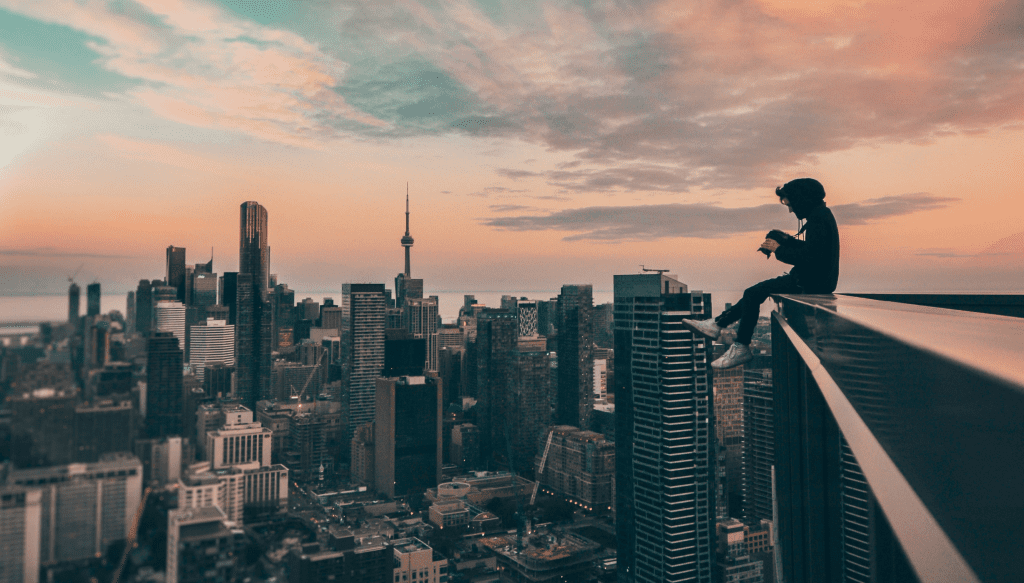
Urban loneliness can be illustrated by the challenge of forming meaningful relationships in a city environment.

Key factors contributing to urban isolation
Transient Population:Cities often attract people who don't have long-term plans to stay, including students, young professionals, and non-natives. This constant influx and outflow of people can make it challenging to form lasting friendships and communities. The lack of stable, long-term relationships contributes to a sense of disconnection and loneliness among residents.
Reliance on Technology:Increased use of digital devices for communication can lead to decreased in-person interactions. People often substitute online connections for real-world relationships, which can be less fulfilling.During events like the COVID-19 pandemic, reliance on technology for social interaction became even more pronounced, further isolating individuals.
Poor Work-Life Balance:The high cost of living in cities often necessitates long working hours, reducing time available for socializing and relaxation.The competitive, career-focused culture prevalent in urban environments can lead to prioritizing work over personal relationships.This imbalance can lead to social isolation, as individuals have less time and energy to invest in building and maintaining personal relationships.
Negative Politeness:In crowded urban settings, people might adopt a mindset of 'negative politeness,' avoiding engaging with others to not intrude on their space.This can lead to a culture where small talk and casual interactions are minimized, reducing opportunities for social connection.Such behavior, while respectful of others’ space, can contribute to feelings of isolation and disconnection.
City Architecture:Urban architectural design, such as high-rise buildings and large housing complexes, can influence social interactions.Such designs may limit opportunities for neighborly interactions and community-building activities.The physical layout of cities can create barriers to socializing, contributing to a sense of isolation among residents.
Overwhelming Nature of Densely Populated Environments:The sheer number of people in cities can be overwhelming, making it difficult to form close, personal connections.The fast-paced, bustling environment can lead to sensory overload, causing individuals to withdraw socially.The paradox of being surrounded by many people yet feeling alone is a common experience in densely populated urban areas.Each of these factors plays a significant role in the experience of urban isolation, and addressing them requires a multifaceted approach involving community engagement, urban planning, and individual lifestyle changes.

New challenges ahead
City planners are taking steps to mitigate urban loneliness by redesigning urban spaces to enhance community connections. This includes creating more parks and green spaces, community gardens, and social spaces that encourage interaction. Architect Grace Kim's concept of co-housing can be highlighted as an innovative solution, blending private apartments with shared social areas to foster a sense of extended family within urban settings.
The WHO's global initiative and plenty individual experiences underscore the importance of addressing urban loneliness and isolation. They highlight the need for comprehensive strategies that not only focus on health and policy interventions but also consider the role of urban planning and community-building efforts in creating more connected and healthier urban environments.